Dead Tree Removal in Allentown, PA
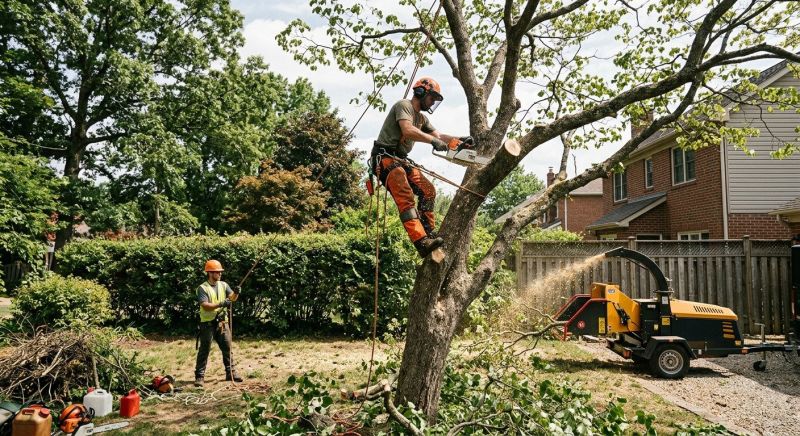
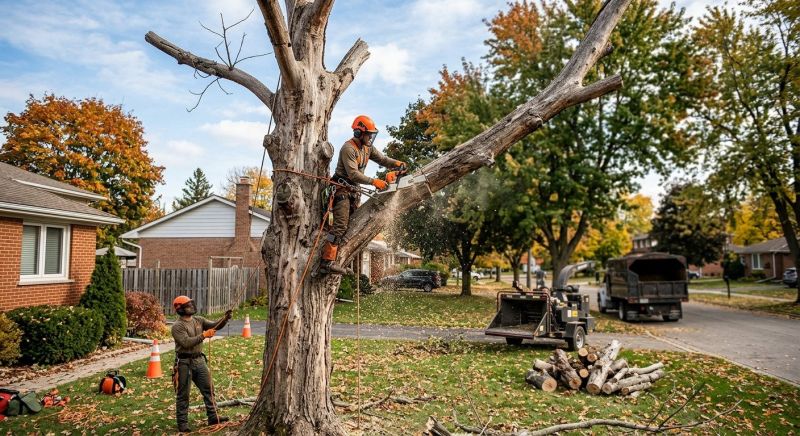
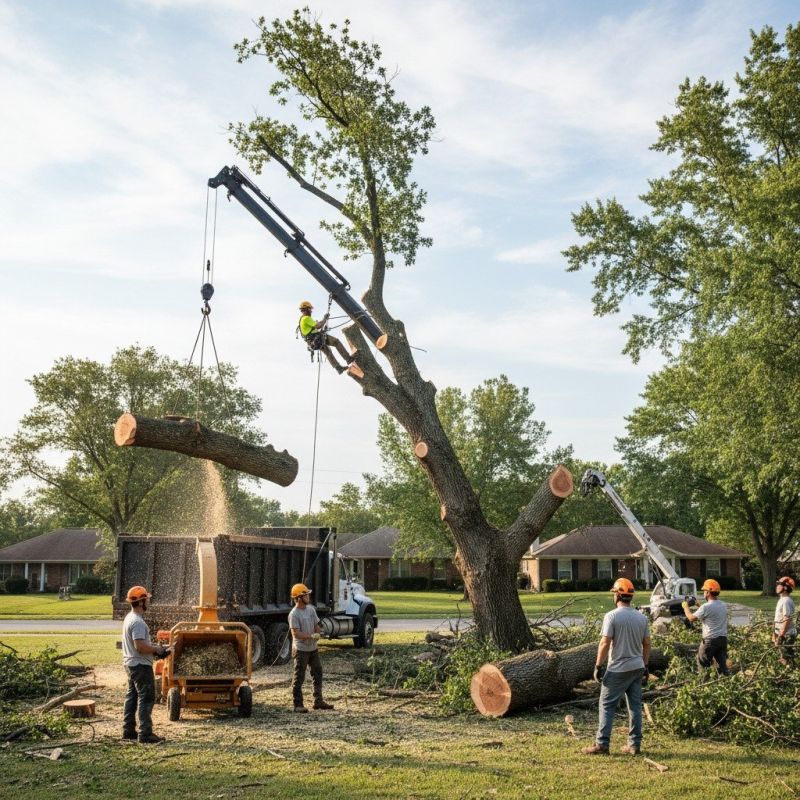
Dead tree removal services involve the safe and efficient elimination of trees that are dead, decaying, or pose a risk to property and safety. This type of work typically covers situations such as fallen branches, trees with extensive decay, or those showing signs of disease that could lead to falling or damage during storms. Homeowners often request this service to prevent potential property damage, avoid safety hazards, or to clear space for landscaping or construction projects. Before requesting dead tree removal, property owners should consider the size, location, and accessibility of the tree, as these factors influence the scope and complexity of the project.
Understanding the condition of the tree and its proximity to structures, power lines, or other landscape features is essential for planning the removal process. It’s also helpful to know whether the tree is completely dead or partially decayed, as this can affect the method used for removal. Property owners should clarify any concerns about debris cleanup, stump removal, or potential impacts on surrounding vegetation when requesting services. Having detailed information about the tree’s condition and location can assist in coordinating a safe and effective removal process.
Many property owners in Allentown, PA look into Dead Tree Removal for repairs, replacements, upgrades, and appearance-related improvements.
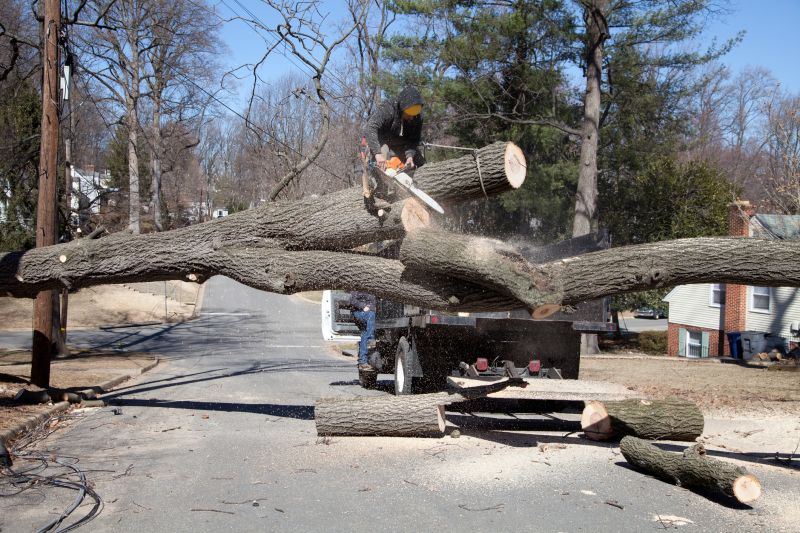
Reasons For Dead Tree Removal
Dead trees can pose safety hazards and may cause property damage if not removed promptly.
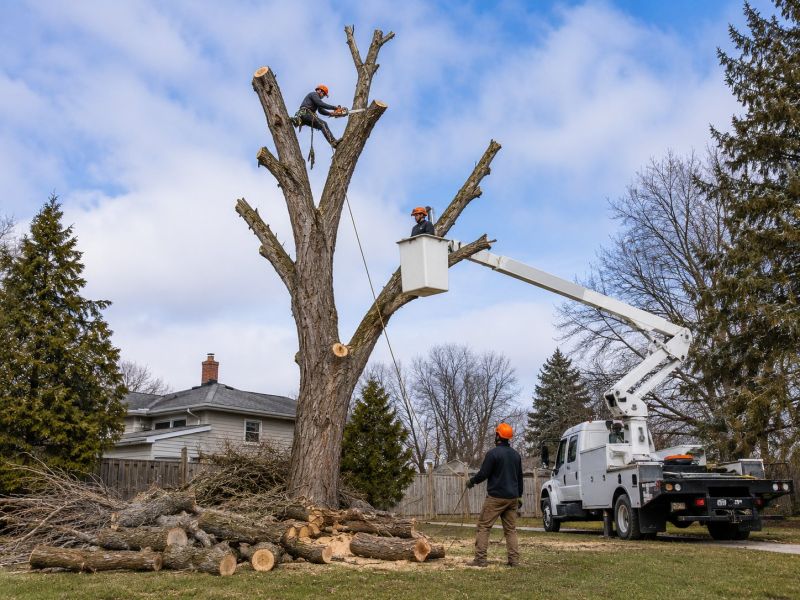
Signs A Tree Needs Removal
Look for dead branches, trunk decay, or leaning trees as indicators that removal might be necessary.
Benefits Of Professional Removal
Professional dead tree removal helps ensure safety, prevents damage, and maintains landscape appearance.
Dead Tree Removal in Allentown, PA
Dead tree removal services involve the safe and efficient elimination of trees that are dead, decaying, or pose a risk to property and safety. This type of work typically covers situations such as fallen branches, trees with extensive decay, or those showing signs of disease that could lead to falling or damage during storms. Homeowners often request this service to prevent potential property damage, avoid safety hazards, or to clear space for landscaping or construction projects. Before requesting dead tree removal, property owners should consider the size, location, and accessibility of the tree, as these factors influence the scope and complexity of the project.
Understanding the condition of the tree and its proximity to structures, power lines, or other landscape features is essential for planning the removal process. It’s also helpful to know whether the tree is completely dead or partially decayed, as this can affect the method used for removal. Property owners should clarify any concerns about debris cleanup, stump removal, or potential impacts on surrounding vegetation when requesting services. Having detailed information about the tree’s condition and location can assist in coordinating a safe and effective removal process.
Many property owners in Allentown, PA look into Dead Tree Removal for repairs, replacements, upgrades, and appearance-related improvements.
Common Dead Tree Removal Jobs
Dead Tree Removal - safely eliminates hazardous or dead trees to protect property.
Tree Stump Grinding - removes tree stumps to improve yard safety and appearance.
Emergency Dead Tree Removal - addresses fallen or dangerously leaning trees promptly.
Selective Tree Removal - removes specific dead or diseased trees without affecting surrounding greenery.
Land Clearing - clears dead trees and debris for new landscaping or construction projects.
Tree Debris Cleanup - removes dead branches and wood to keep the property tidy.
Dead Tree Removal Questions
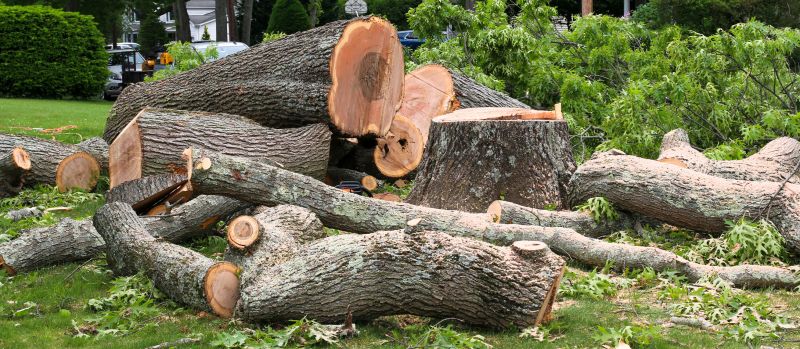
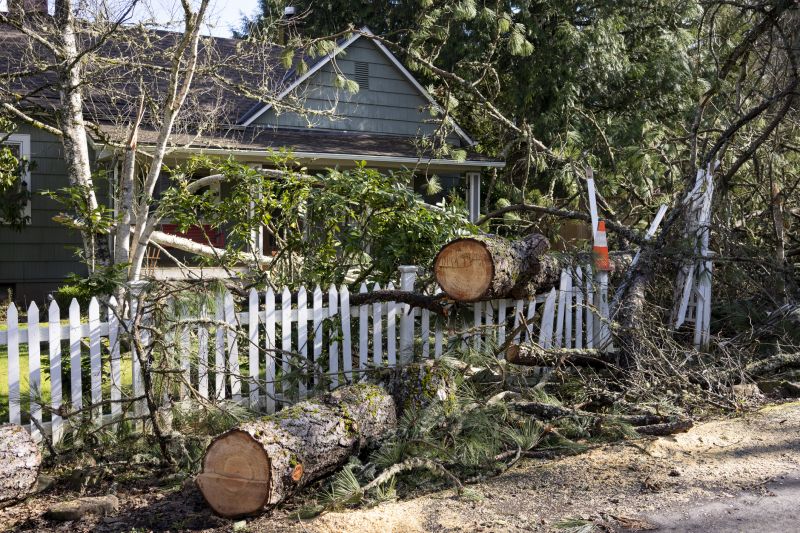
Why should dead trees be removed? Removing dead trees helps prevent potential hazards like falling branches or the tree toppling, which can damage property or pose safety risks.
What types of trees are typically removed? Dead or decaying trees of any species, including ornamental, shade, or fruit trees, are commonly removed when they pose a risk.
How can I tell if a tree is dead? Signs include leaf loss outside of seasonal changes, browning or wilting foliage, cracked or peeling bark, and absence of new growth.
What should property owners consider before removal? It's important to assess the tree’s location, size, and condition to determine the best removal method and minimize impact on the landscape.
Request Dead Tree Removal in Allentown, PA
Use the quote form on this page to share the basics of your project and request more information for the type of work you need.